How I Survived Braces and Upper Jaw Surgery
Updated September 2026 with questions to ask your surgeon and orthodontist, what recovery commonly involves, and answers to common questions. This is not medical advice.
A lot can happen in the span of a year.
I actually got my braces on in 2012 and to say that I only had them on a year would be deceitful. I should have only had them on a year, but I digress. Life happens and sometimes you just want to postpone surgery as long as possible.
I got my braces on in July 2012. I chose to get braces because my teeth were pretty crooked and my bite was pretty off. I kept getting cavities and knew that wouldn’t change without getting them spaced out correctly.
I moved to Tennessee in July 2013. I was supposed to have surgery this month, but postponed it cause I found a great boss.

Brace Face
I had upper jaw surgery on this day, April 25, 2014.
Today has been a full year of recovery.
Is everything recovered?
No, I still can’t feel the roof of my mouth or my front two teeth.
Could it still? Yes. God has seen me this far and I know if He wants to wake up the roof of my mouth, he can at any moment. Until then, I’m praising him in his faithfulness on medical bills and insurance and things that I wasn’t sure was ever going to work out.
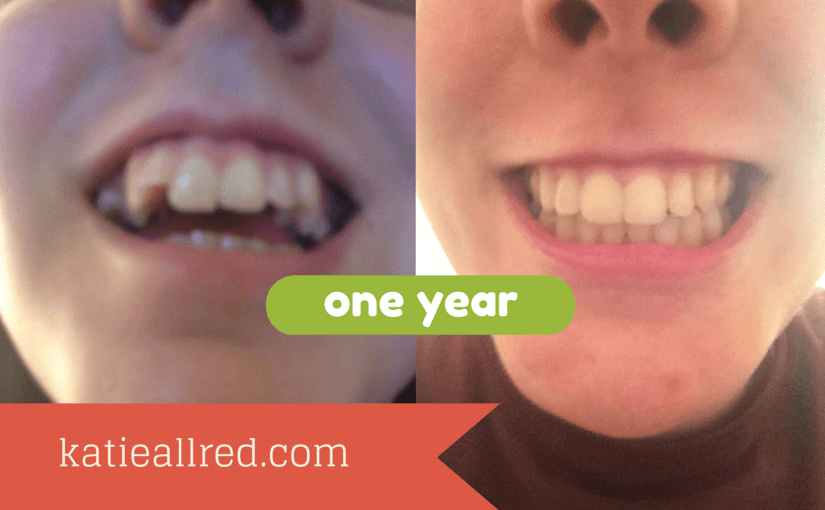
He’s faithful. Braces and upper jaw surgery were terrible. But I mean, look at these teeth below.
Let me know if you have any questions about braces or upper jaw surgery and I’d be happy to answer!
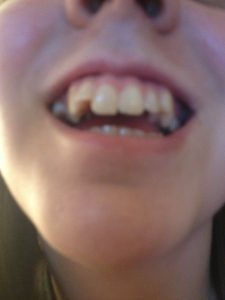
Before
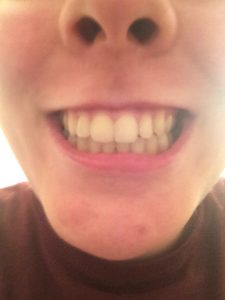
After
If you’re facing jaw surgery
If you landed here because an orthodontist just said the words “jaw surgery,” take a breath. It’s a lot to take in. I’m not a doctor, and nothing here is medical advice. Your surgeon and orthodontist know your case, and they are the ones to trust with the details. But here’s the general lay of the land and the questions I’d recommend bringing to your appointments.
How braces and jaw surgery usually work together
Upper jaw surgery is a type of corrective jaw surgery (orthognathic surgery). An oral and maxillofacial surgeon moves the upper jaw into a better position when your bite is off in a way braces can’t fix on their own.
It’s usually a team effort. Braces typically come first to line up your teeth for where your jaw will be after surgery. Then comes surgery. Then braces usually stay on for a while afterward to finish the bite. That’s why the whole process takes much longer than the surgery itself, and why, like me, you may find your timeline stretching.
Questions to ask your surgeon and orthodontist
- Why do I need surgery, and what happens if I don’t have it?
- Is this upper jaw only, or both jaws?
- How long will I be in braces before and after surgery?
- How long will I be in the hospital, and how much time should I plan off work or school?
- What will I be able to eat, and for how long?
- What are the risks, including numbness, and how often does feeling come back?
- How will pain and swelling be managed?
- How many follow-up visits will I need?
- Will my insurance cover this, and do you need pre-authorization? Is it billed as medical or dental?
Ask about insurance early. Jaw surgery can be billed differently from regular orthodontic work, and getting answers in writing before surgery can save you a lot of stress later.
What recovery commonly involves
Every case is different, and your surgeon’s instructions come first. That said, here’s what many people deal with:
- Swelling. It’s usually significant at first and goes down gradually over weeks.
- A liquid, then soft, diet. Plan on smoothies, protein shakes, broth, yogurt, and mashed foods for a while. A good blender helps.
- Numbness. Your upper lip, gums, palate, or teeth may feel numb. For many people, feeling returns slowly over months. For some, it takes much longer. A year after my surgery, I still couldn’t feel the roof of my mouth or my front two teeth.
- Congestion. Upper jaw surgery is close to your sinuses, so a stuffy nose is common early on.
- Fatigue. Healing takes energy. Give yourself permission to rest.
Call your surgeon right away if something doesn’t seem right, like fever, bleeding that won’t stop, trouble breathing, or pain that gets worse instead of better.
Be patient with yourself
Recovery is a marathon, not a race. Stock your kitchen before surgery, line up someone to help for the first several days, and don’t measure your progress day by day. Look at it month by month.
Braces and upper jaw surgery were hard. But God was faithful through every part of it, including the bills. If you’re about to start this journey, He’ll be faithful to you too.
Frequently asked questions
What is upper jaw surgery?
Upper jaw surgery is a type of corrective jaw surgery, also called orthognathic surgery, where an oral and maxillofacial surgeon repositions the upper jaw (the maxilla) to fix a bite or alignment problem that braces alone can't correct. It's usually planned together with an orthodontist.
Do you have to wear braces before and after jaw surgery?
In most cases, yes. Braces usually go on first to line the teeth up for the new jaw position, and they typically stay on for a while after surgery to fine-tune the bite. Your orthodontist and surgeon will give you your own timeline.
What can you eat after upper jaw surgery?
Most people start with liquids and move to soft foods over several weeks, like smoothies, broth, yogurt, mashed potatoes, and scrambled eggs. Your surgeon will tell you exactly what to eat and when you can chew normally again.
Is numbness normal after upper jaw surgery?
Numbness in the upper lip, gums, palate, or front teeth is a common effect of upper jaw surgery. For many people it improves over months, but it can last longer or be permanent. Ask your surgeon about this risk before surgery and report any changes at your follow-ups.